 Recently, the Lifelong Learning Centre of the Smart Education of China Platform was officially launched. It features three major sections, six functional zones, five columns, and five dedicated zones to meet the increasingly diverse needs of social education.
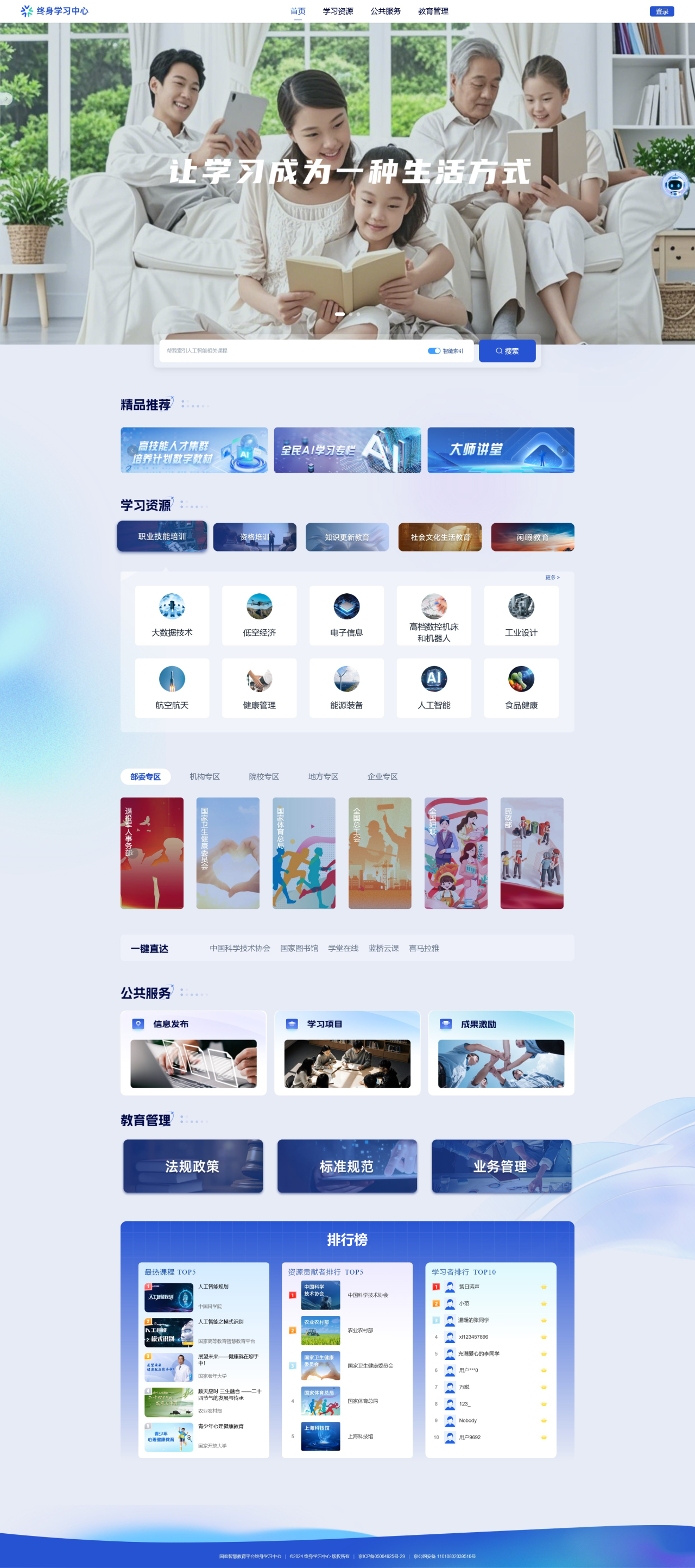
Overall Design Architecture
The overall design architecture of the Centre is as follows:
The foundational framework consists of three major sections: Learning Resources, Public Services, and Education Management.
Six functional zones guide users: Top Navigation, Focus Carousel, Featured Recommendations, Smart Assistant, One-Click Access, and Ranking Lists.
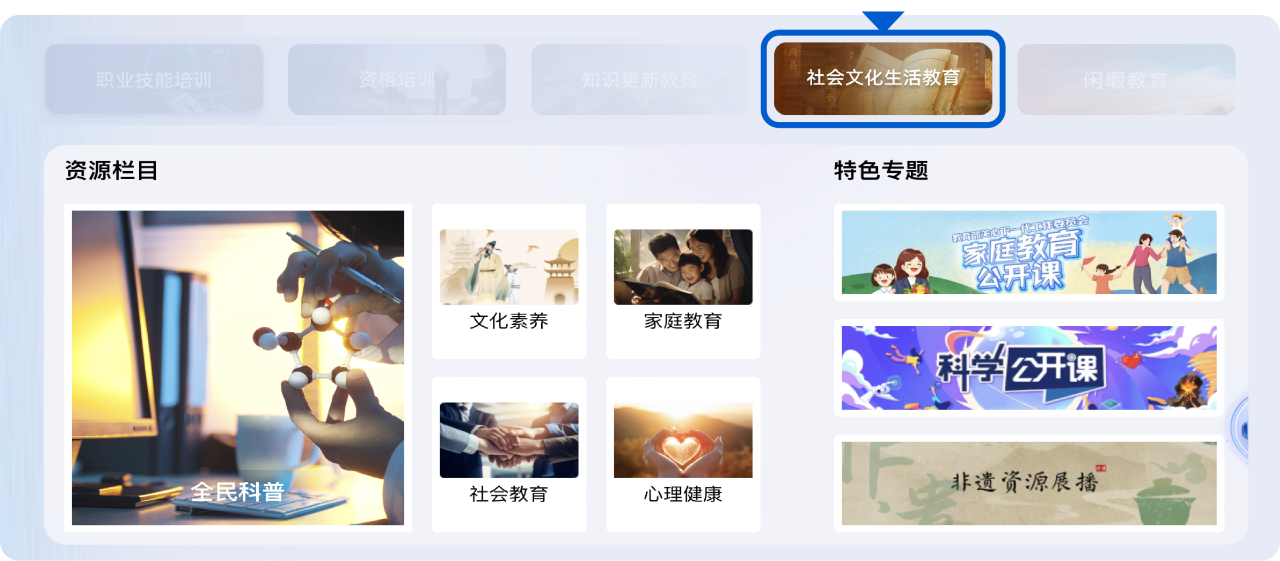
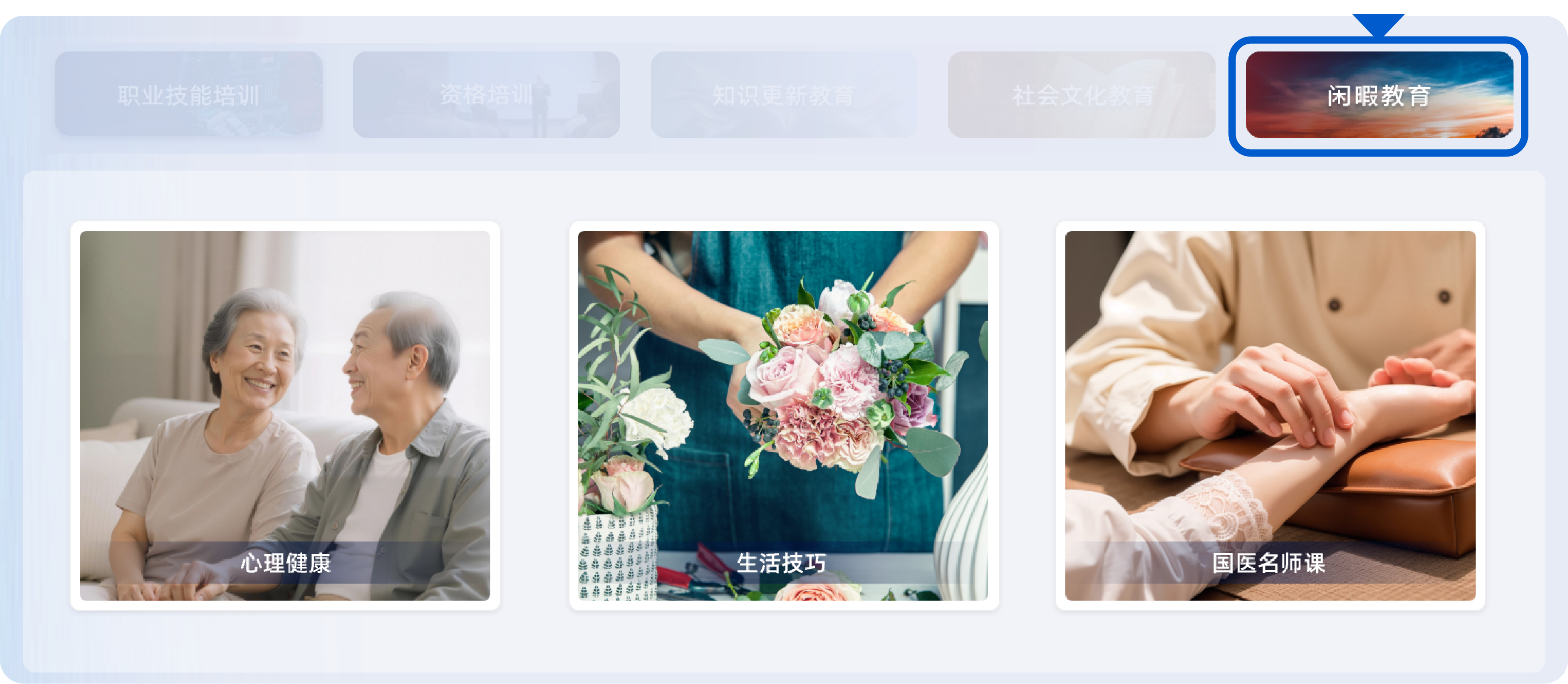
Five main columns are established: Vocational Skills Training, Qualification Training, Knowledge Update Education, Social and Cultural Life Education, and Leisure Education.
To enhance participation across society, five dedicated zones are specially set up: for Ministries/Commissions, Social Institutions, Universities/Colleges, Local Authorities, and Enterprises.
Meeting Diverse Needs
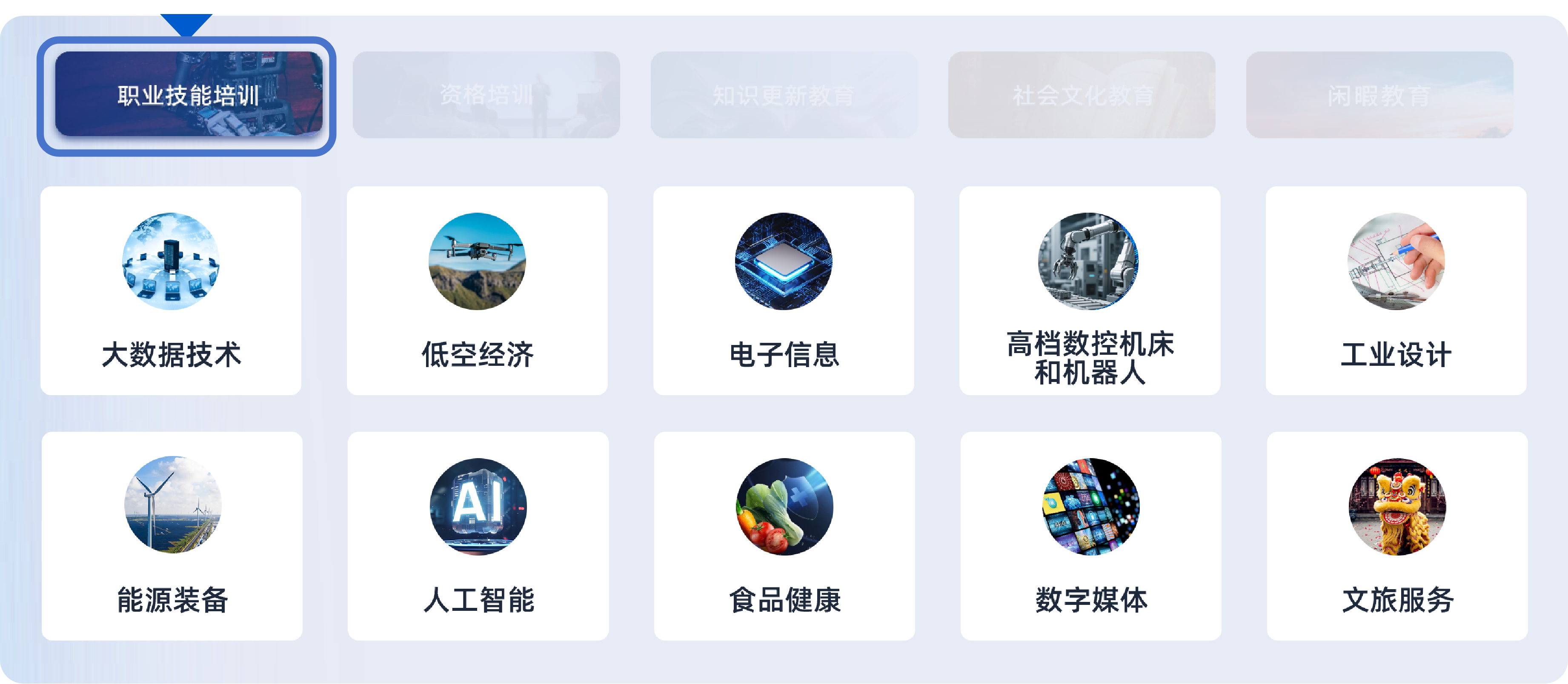
Addressing the employment needs of university graduates and the professional competency enhancement needs of in-service personnel, vocational skills training courses for 20 industries such as intelligent manufacturing, smart transportation, and elderly care services have been launched.
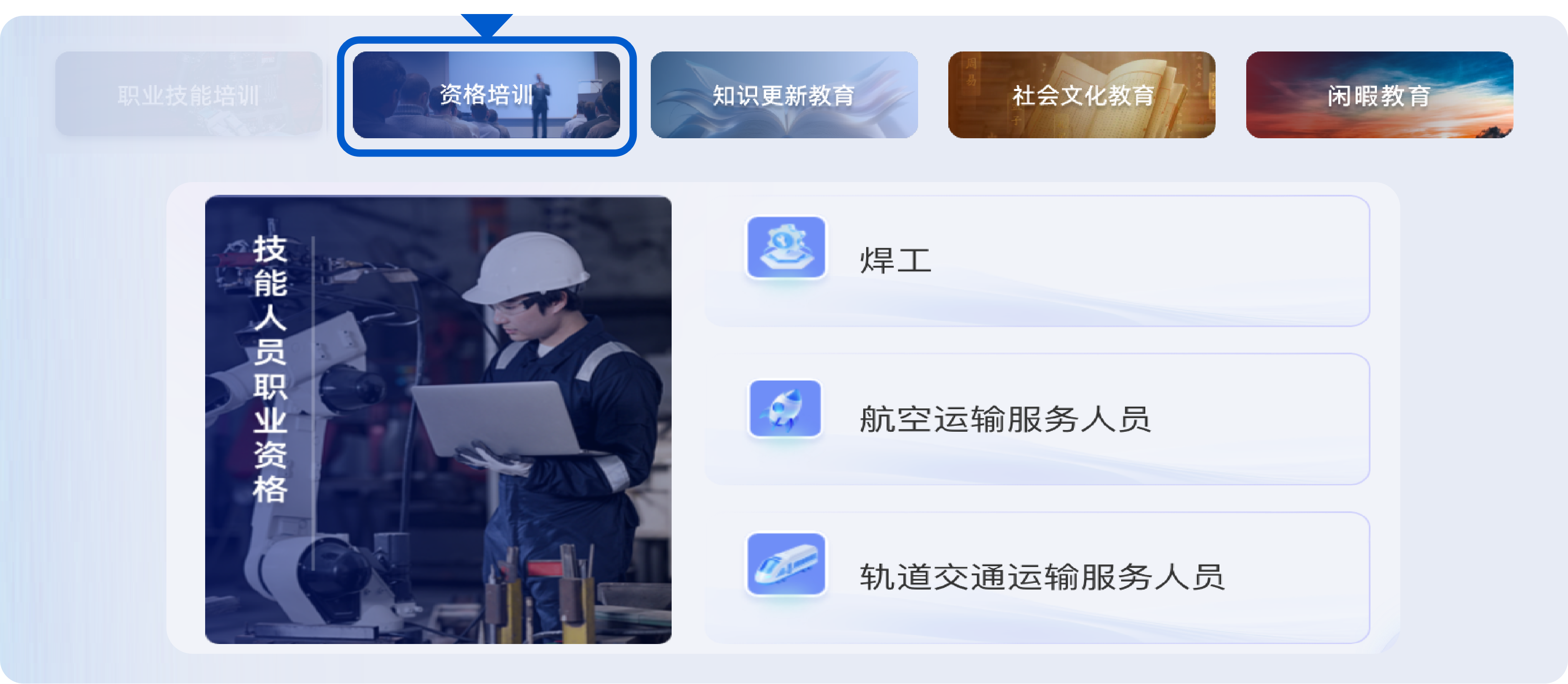
To meet industry professional qualification requirements, corresponding qualification training courses for various positions have been integrated.
Catering to the knowledge update needs of professional and technical personnel, courses such as genetic engineering, medical immunology, and psychological counselling are provided.
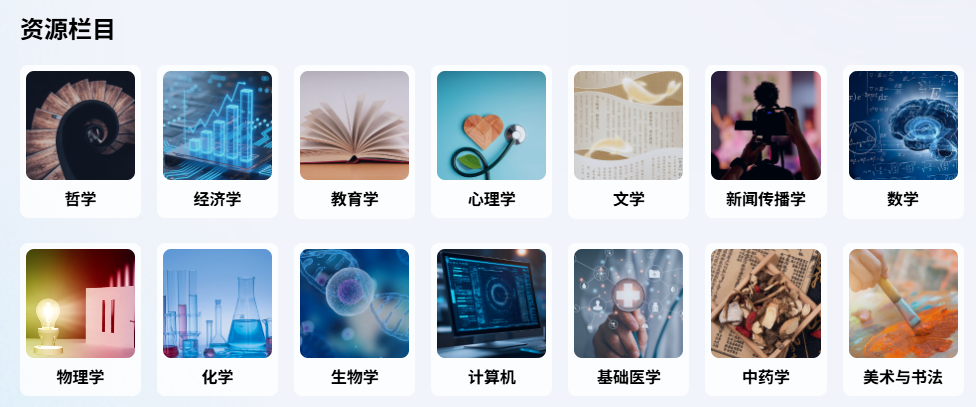
In response to the social and cultural life needs of community residents, courses on intangible cultural heritage inheritance, family education, and history & culture have been introduced.
For the leisure education needs of the elderly population, courses on health preservation, wellness, and life skills are offered.
Exploring Smart Services
The platform features a smart indexing system, allowing learners to quickly locate desired content and reduce selection costs.
Intelligent learning guidance has been introduced, providing services such as course summaries, key point reviews, and difficult point Q&A, thereby increasing interactivity.
An innovative incentive mechanism generates automatic ranking lists—such as resource popularity rankings (based on clicks, collections, likes), learner activity rankings (based on learning duration), and resource provider contribution rankings—fully stimulating the endogenous motivation of all parties involved.
Source: Official Social Media Account of Ministry of Education
Published: 3 April 2026